Get Basement Floor Sawing
Basement floor sawing services help property owners cut through concrete or other materials for basement renovations, repairs, or new installations, handled by local contractors.
Basement floor sawing services are essential for property owners planning renovations, foundation repairs, or new installations that require precise cutting of concrete or similar materials. If you are considering a project that involves creating openings, access points, or structural modifications, finding experienced local contractors can help ensure the work is completed accurately and efficiently. This page is designed to connect property owners with qualified service providers in the area who can handle these specialized tasks with professionalism and skill.
Exploring your options for basement floor sawing can help you compare the services available and choose the right partner for your project. Whether for residential or commercial properties, working with local contractors offers the benefit of familiarity with regional building standards and conditions. Keep reading to learn more about how to find trusted service providers who can support your planning process and deliver quality results.
- Commercial Building Renovations - when a business needs to create new access points or modify existing floors during remodeling projects.
- Industrial Facility Upgrades - for factories or warehouses requiring precise cuts to install new machinery or infrastructure.
- Basement Remodeling Projects - when homeowners are converting basement spaces and need to cut through concrete floors.
- Parking Garage Repairs - for structural repairs or modifications that involve cutting and removing sections of concrete flooring.
- New Construction Foundations - during the initial phases of building to create openings or pathways in concrete basement floors.
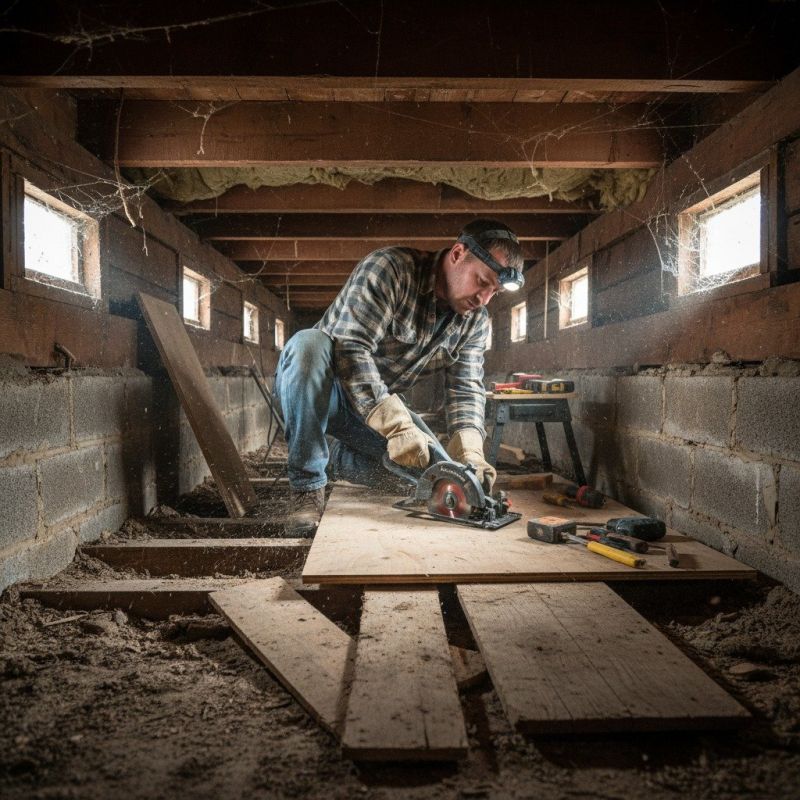
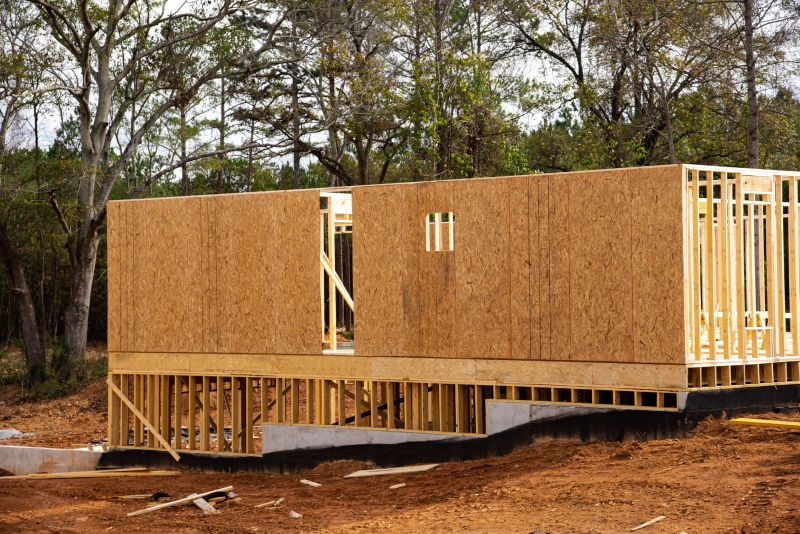
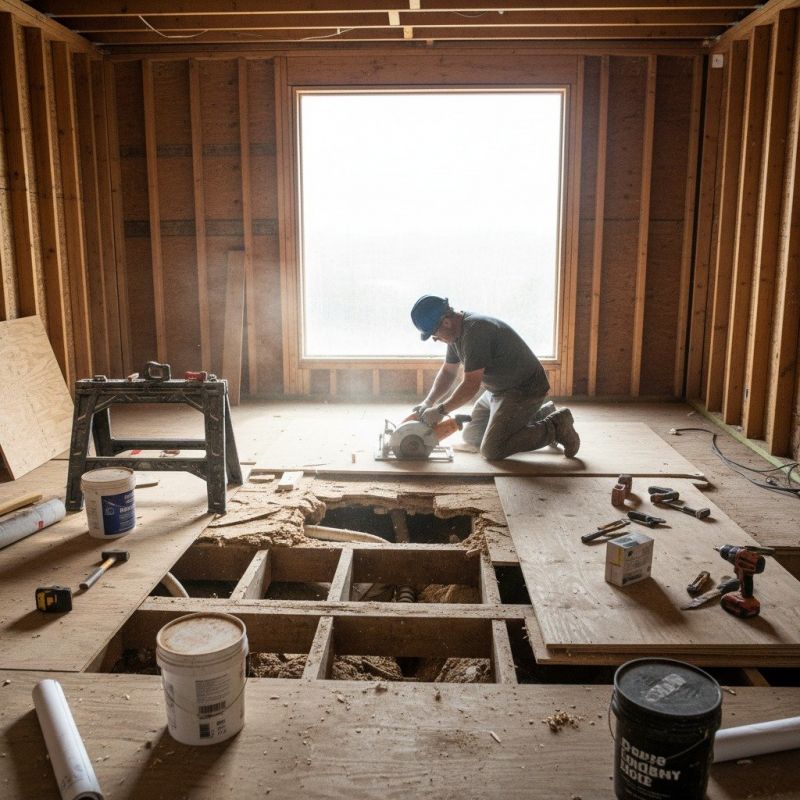
Basement floor sawing services involve the precise cutting of concrete, masonry, or other hard surfaces in basement areas. This process typically uses specialized saws equipped with diamond blades to create clean, accurate cuts in existing floors. Such work is often necessary during renovation projects, foundation repairs, or when installing new utility lines, drainage systems, or additional flooring. The goal is to cut through tough materials efficiently without damaging surrounding structures, providing a clean and level surface for subsequent work or modifications.
This service helps solve a variety of common problems faced during home improvements or repairs. For instance, when upgrading plumbing or electrical systems beneath a basement floor, a clean cut allows for easy access and installation of new lines. Basement floor sawing can also be essential for creating expansion joints, removing damaged sections of concrete, or preparing surfaces for new flooring. By enabling precise modifications, this work minimizes disruption and helps ensure the structural integrity of the space remains intact during renovations.
Properties that typically use basement floor sawing services include residential homes, especially those undergoing major renovations or foundation repairs. Commercial buildings, warehouses, and industrial facilities also frequently require this service when modifications to existing concrete floors are necessary. In many cases, older properties with deteriorating or uneven floors benefit from sawing to create level surfaces or to prepare for new flooring materials. Overall, any property where concrete or similar materials need to be cut or modified can benefit from professional basement floor sawing services.
Homeowners who notice cracks, uneven floors, or plan to install new utilities beneath their basement may find basement floor sawing essential. It is also useful when enlarging existing openings, creating new access points, or removing sections of damaged concrete. By working with experienced local contractors, homeowners can ensure that the cutting is done accurately and safely, reducing the risk of damage to the property. When planning basement renovations, foundation repairs, or utility upgrades, connecting with qualified service providers can help achieve the desired results efficiently and effectively.
The overview below groups typical Basement Floor Sawing projects into broad ranges so you can see how smaller, mid-sized, and larger jobs often compare in your area.
In many markets, a large share of routine jobs stays in the lower and middle ranges, while only a smaller percentage of projects moves into the highest bands when the work is more complex or site conditions are harder than average.
Smaller Repairs - Typical costs for minor basement floor sawing projects generally range from $250 to $600. Many routine jobs fall within this range, depending on the size and complexity of the area to be cut.
Medium-Scale Projects - Larger, more involved sawing jobs usually cost between $600 and $2,000. These projects often include cutting larger sections or multiple areas and are common for many residential basement renovations.
Heavy-Duty or Complex Jobs - More extensive projects, such as removing large sections of concrete or working in tight spaces, can range from $2,000 to $5,000 or more. Fewer projects push into this higher tier, typically involving specialized equipment or challenging conditions.
Full Basement Floor Replacement - Complete floor removal and replacement can cost $5,000 or higher, depending on the size of the basement and the scope of work involved. Local contractors can provide estimates based on specific project details and requirements.
Actual totals will depend on details like access to the work area, the scope of the project, and the materials selected, so use these as general starting points rather than exact figures.
Concrete Cutting for Foundations - Local contractors use similar sawing techniques and tools to create precise openings in concrete foundations for plumbing, electrical, or ventilation systems.
Slab Removal and Demolition - Skilled service providers utilize floor sawing skills to remove existing concrete slabs during renovation or demolition projects.
Parking Lot and Driveway Cutting - Similar equipment and planning are required for cutting and installing expansion joints in large asphalt or concrete parking surfaces.
Structural Wall Cutting - Contractors employ precise saws to cut through load-bearing or non-load-bearing walls, requiring careful planning and specialized tools.
Utility Trenching and Excavation - The process involves cutting through concrete surfaces to create trenches for utility lines, requiring similar planning and equipment.
Industrial Floor Maintenance - Service providers often perform crack chasing and surface preparation on industrial floors, utilizing saws comparable to those used in basement floor sawing.
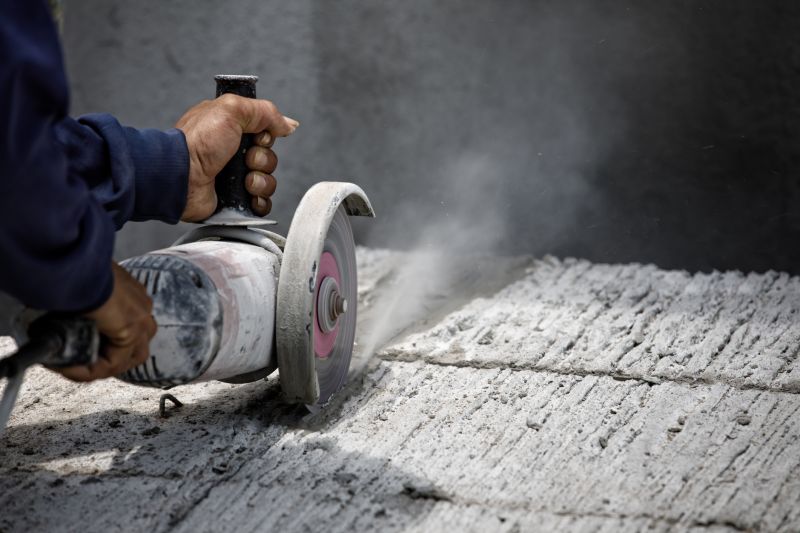
When evaluating service providers for basement floor sawing, it’s important to consider their experience with similar projects. A contractor who has successfully handled projects comparable in scope and complexity can often deliver a more predictable and reliable outcome. Homeowners should inquire about the types of flooring or concrete work they have completed in the past, ensuring that the contractor’s background aligns with the specific requirements of the job at hand. This focus on relevant experience helps ensure that the chosen professional understands the nuances of basement floor sawing and can address potential challenges effectively.
Clear and detailed written expectations are essential when comparing local contractors. Homeowners should seek proposals that outline the scope of work, materials, and any specific methods or techniques that will be used. Having a comprehensive understanding of what will be done helps prevent misunderstandings and provides a basis for comparing quotes and approaches. It’s also advisable to request references from previous clients who had similar projects completed, as this can provide insight into the contractor’s reliability, quality of work, and professionalism. Reputable references can serve as a valuable resource for assessing whether a service provider consistently meets expectations.
Good communication is a key factor in selecting the right local contractor for basement floor sawing. A professional who communicates clearly and promptly demonstrates a commitment to transparency and customer service. Homeowners should pay attention to how easily they can get questions answered and whether the contractor provides thorough explanations about the process, timeline, and any potential issues. Establishing a clear line of communication early on can help ensure the project proceeds smoothly and that any concerns are addressed promptly. It’s important to remember that this site introduces homeowners to local options for basement floor sawing services, helping them compare and connect with qualified service providers who can handle the work effectively.
Property owners use Basement Floor Sawing services for practical projects around their homes and businesses. This guide focuses on everyday jobs and straightforward project options.
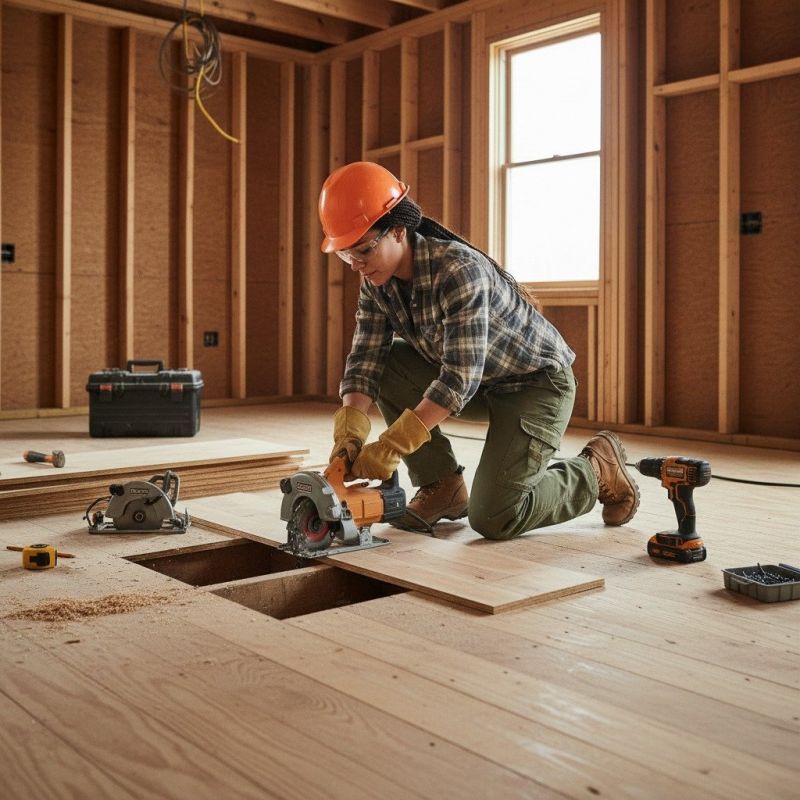
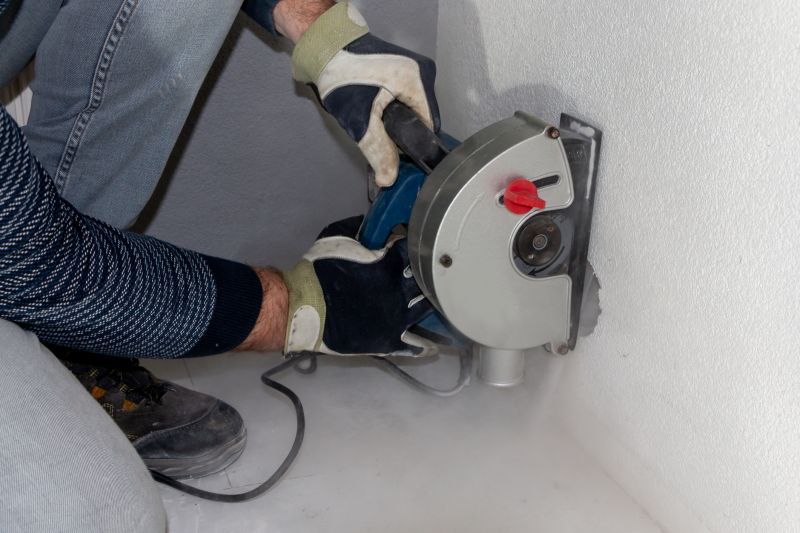
Basement floor sawing services are often needed during home renovations, remodeling projects, or when installing new utilities. Property owners may require precise cuts to create openings for windows, doors, or access points, or to remove damaged sections of concrete. Local contractors specializing in floor sawing can provide the necessary expertise to ensure that these modifications are done accurately and efficiently, helping to keep projects on track and within budget.
In many cases, property owners seek basement floor sawing when preparing for foundation repairs or upgrades. Whether breaking through concrete slabs to install plumbing, electrical conduits, or drainage systems, having access to experienced service providers in the area can make the process smoother. These local professionals are equipped to handle various types of concrete work, making them a practical resource for any project that involves cutting or removing sections of basement flooring.
What is basement floor sawing used for? Basement floor sawing is used to create openings or penetrations in concrete slabs for plumbing, electrical, or ventilation purposes, or to remove damaged sections of the floor.
What types of saws are typically used for basement floor sawing? Contractors often use walk-behind concrete saws, wall saws, or handheld saws, depending on the size and scope of the project.
How do local contractors prepare for basement floor sawing projects? They assess the floor's thickness and composition, determine the cutting pattern, and select the appropriate equipment to ensure precise and safe cuts.
Can basement floor sawing be performed in existing structures? Yes, experienced service providers can perform sawing in existing basements, often with minimal disruption to the surrounding area.
What safety precautions do contractors take during basement floor sawing? Contractors typically use dust control measures, protective gear, and follow safety protocols to manage debris and ensure safe operation during the process.
Basement Renovation Projects - Property owners planning to remodel or finish their basements can use floor sawing services to create new openings or access points.
Foundation Repair and Reinforcement - When addressing cracks or structural issues, local contractors can cut through concrete slabs to facilitate repairs or reinforce foundations.
Installing New Flooring or Utilities - Floor sawing allows for precise cuts needed to install plumbing, electrical wiring, or new flooring in basement areas.
Creating Access for Drainage or Ventilation - Property owners can use sawing services to add access points for drainage systems or improve basement ventilation.
If you are thinking about Basement Floor Sawing for a property, this guide is meant to help you understand the work, the typical project types, and how different options might fit your plans.
When you are ready, you can use the quote form on this page to share a few details about your project. From there, local pros can review the basics and respond with options that match what you have in mind.